
Rethinking Coastal Yards as Engineered Perimeter Defenses
Traditional turf lawns are poorly matched to Florida”s exposed coastline. A lawn may look orderly under normal conditions, yet king tides, saltwater intrusion, wind-driven spray, and tropical storm surge can rapidly damage its shallow root system. Once salt accumulates in the soil, irrigation becomes less effective, turf declines, and bare patches create open pathways for runoff and erosion. The result is a landscape that requires more water precisely when the underlying soil is becoming less capable of supporting it.
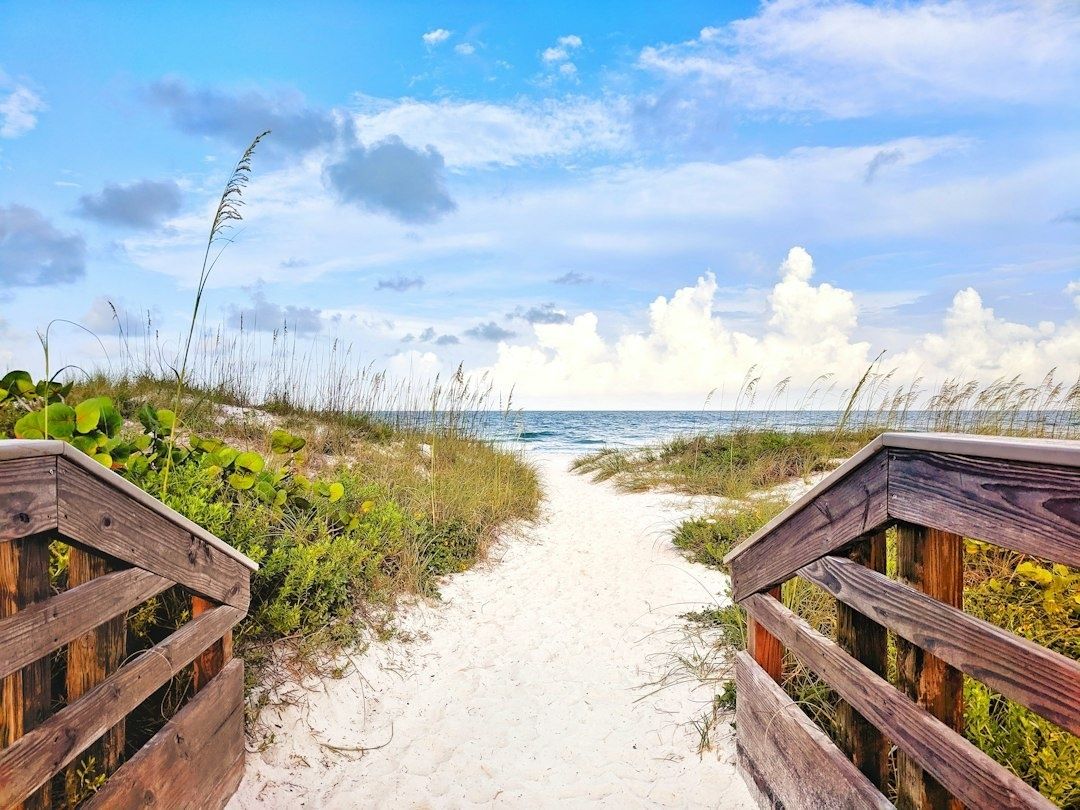
A coastal yard should instead be treated as a layered perimeter defense. The outer edge absorbs wave energy and traps moving sand, the middle zone reduces wind and spray, and the inner zone stabilizes soil while supporting drainage and habitat. This approach turns plant selection into a risk-management decision. Resilient native species can secure the soil, tolerate repeated salt exposure, reduce dependence on municipal irrigation, and recover more reliably after extreme weather. The objective is not to create an ornamental barrier that looks attractive only in fair conditions, but a living system that continues performing when the property is under stress.
Threat Modeling the Coastal Buffer Zone
Before selecting plants, map how damage reaches the property. Aerosolized salt can scorch leaves and dehydrate exposed tissues even when roots remain above standing water. High-tide infiltration moves dissolved salts into the root zone, where repeated exposure can interfere with water uptake. Mechanical wave action and storm runoff then remove loose soil, expose roots, and widen existing drainage channels. These are separate failure mechanisms, so a single species or uniform planting bed cannot provide reliable protection across the entire shoreline.
Municipal irrigation is also a weak control strategy in salinized soils. More water does not automatically remove salt, especially where drainage is poor or the water table is already influenced by tides. Excess irrigation can increase costs, move nutrients beyond the root zone, and create a false sense of security while vulnerable turf continues to fail. Regional guidance matters because soil, exposure, and plant performance vary across Florida. Following proven regional frameworks like the UF/IFAS Florida-Friendly Landscaping™ Program helps align species selection and maintenance with localized environmental stress vectors.
- Salt spray exposure: prioritize foliage and stems that tolerate direct windborne salt.
- Root-zone salinity: identify areas where tidal water or poor drainage can concentrate salts.
- Surface erosion: use dense groundcovers and fibrous roots to slow runoff before it removes soil.
- Storm loading: avoid brittle plantings and unsupported structures in the highest-energy zones.
- Maintenance dependency: favor plants that can survive with limited supplemental irrigation after establishment.
Tier One Defense to Secure Soil Integrity at the Edge
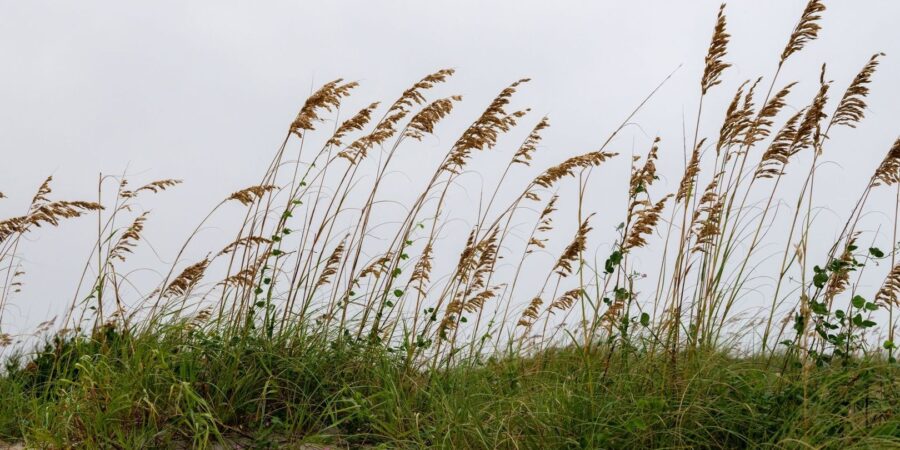
Sea oats, or Uniola paniculata, are among the most important first-line stabilizers on Florida”s sandy coastal edge. Their upright leaves slow wind near the surface, while their spreading and deep-reaching root systems bind sand and help trap additional windblown material. This allows dunes to build and persist rather than becoming a flat, mobile surface that can be rapidly cut by surge and runoff. Sea oats are therefore not merely decorative grasses. They are structural components of the coastal buffer.
The legal status of sea oats and established dune vegetation is equally important. Removing, damaging, or disturbing protected dune plants can be unlawful, and local rules may govern planting, access, grading, and construction near the beach. A homeowner should not clear existing vegetation or reshape a dune based solely on appearance or convenience. Confirm requirements with the relevant local authority before altering the shoreline. Dunes absorb wave energy, reduce upland flooding, and provide habitat, so protecting them is both a compliance requirement and a practical risk-control measure.
- Preserve the existing dune line. Keep foot traffic, equipment, vehicles, and storage away from established vegetation and use designated access points where available.
- Plant sea oats only in an approved location. Match the installation to local regulations, existing dune contours, and guidance from qualified coastal or Extension professionals.
- Fill the gaps with low groundcover. Railroad vine and sea purslane can create a dense surface layer that reduces splash erosion and slows shallow runoff.
- Inspect after major weather. Look for exposed roots, newly cut channels, sand loss, and broken stems before small failures become permanent openings.
Railroad vine is useful where a rapidly spreading, salt-tolerant groundcover can protect exposed sand without creating a rigid obstruction. Sea purslane offers another low-growing option for dense coverage in suitable coastal conditions. Neither should be treated as a substitute for a functioning dune or engineered erosion-control system, but together with sea oats they can reduce bare-soil exposure. The operational goal is continuous coverage, with enough plant diversity that one storm, pest issue, or localized salt event does not remove the entire protective layer.
Comparing Salt-Tolerant Native Species for Defense Depth
Salt tolerance is not a single performance category. A plant may withstand salt spray but perform poorly in waterlogged soil, or tolerate salty soil while needing regular fresh water during establishment. UF/IFAS guidance notes that landscapes within approximately one-eighth of a mile of saltwater should include plants with at least some salt tolerance. The Salt-Tolerant Plants directory provides a useful starting point, but final selection should account for local exposure, drainage, mature size, and maintenance access.
| Plant | Primary defense role | Salt exposure response | Moisture and placement notes |
|---|---|---|---|
| Sea oats | Outer-edge sand capture and dune anchoring | Highly suited to coastal exposure | Best in sandy, well-drained dune conditions; protect from disturbance |
| Railroad vine | Low groundcover and surface erosion reduction | Highly salt tolerant | Useful in sunny, sandy areas; allow room to spread |
| Sea purslane | Dense low cover in exposed coastal beds | Salt tolerant | Use where drainage and sunlight support low-growing coastal plants |
| Seagrape | Mid-zone screen, windbreak, and canopy | Tolerates salt spray and salty soils | Thrives in full sun and well-drained sand; water young plants regularly |
| Buttonwood | Mid-zone structure and wind filtering | Well suited to coastal conditions | Choose placement according to mature size and drainage conditions |
| Coontie | Inner-zone understory and low-maintenance structure | Useful in suitable salt-exposed landscapes | Requires careful placement, drainage, and awareness that plant parts are toxic if eaten |
Seagrape is particularly versatile in the middle tier. It can be trained as a shrub, hedge, screen, windbreak, or small tree, and it is highly drought tolerant once established. It can eventually reach substantial height, so planting distance and pruning access matter. Hand pruning is preferable to mechanical shearing, and young plants need regular watering while their root systems develop. Coastal seagrape populations may also be protected by state law, so plants should be sourced and installed responsibly rather than removed from the shoreline.
Buttonwood can provide a durable transition between the exposed edge and more sheltered parts of the yard, while coontie can occupy the inner understory where a lower profile is desirable. Planting should be organized by defense role rather than by visual symmetry: low binders at the edge, shrubs and small trees in the middle, and drought-tolerant understory plants farther inland. Certified or professionally verified salt-tolerant selections reduce the risk of premature vegetation loss, particularly where a property combines salt spray, sandy soil, reflected heat, and periodic inundation.
Step-by-Step Blueprint for Executing a Xeriscape Hardening Plan
- Conduct a site assessment. Divide the property into exposure zones and document soil texture, drainage speed, standing-water duration, elevation changes, irrigation coverage, and visible salt injury. If possible, obtain professional soil testing and identify where tidal water, stormwater, or irrigation flows across the site.
- Map the threat paths. Mark the likely direction of king-tide inundation, storm runoff, wind-driven spray, and pedestrian or vehicle disturbance. A simple site map can reveal that a short channel beside a walkway is concentrating water toward a foundation or that a bare lawn edge is repeatedly losing soil.
- Remove vulnerable sod selectively. Strip non-resilient turf from the highest-risk areas rather than treating every part of the property identically. Preserve healthy native vegetation and avoid disturbing protected dunes or established shoreline systems.
- Grade for controlled drainage. Shape non-protected upland areas so water spreads and slows rather than concentrating into one erosive channel. Any grading near dunes, wetlands, seawalls, or regulated shorelines should be reviewed before work begins.
- Install the outer tier first. Use approved sea oats and compatible coastal groundcovers where conditions allow. The outer tier must be allowed to spread and function without routine mowing or foot traffic.
- Build the middle and inner tiers. Add seagrape, buttonwood, and other verified salt-tolerant natives according to mature size and root-space requirements. Use coontie and similar understory plants to close gaps beneath taller vegetation.
- Mulch with discipline. Pine straw can help retain moisture, moderate soil temperature, suppress weeds, and reduce splash erosion. It is not a permanent erosion blanket, however, and repeated removal can reduce organic matter and nutrients. Replace or refresh mulch based on actual site need, not on a fixed cosmetic schedule.
- Establish before withdrawing irrigation. Coastal plants still require fresh water during establishment and periods of stress. Use targeted, efficient watering while roots develop, then reduce supplemental irrigation gradually after plants demonstrate stable growth.
Successful hardening depends on establishment management. Newly installed natives are not immediately self-sustaining, even when mature plants are drought tolerant. Inspect irrigation emitters, check mulch depth, remove invasive competition, and replace failed plants promptly so gaps do not become erosion points. Avoid fertilizing by habit, particularly near water. Excess nutrients can move through sandy soils and create additional ecological problems.
Maintenance should focus on system performance rather than manicured uniformity. Seasonal leaf drop, uneven growth, and small changes in plant form are not automatically defects. The critical indicators are whether soil remains covered, water moves without cutting channels, roots remain protected, and the planting can recover after salt and storm exposure. A county UF/IFAS Extension or Florida-Friendly Landscaping professional can help evaluate species and maintenance decisions for local conditions.
Fortify Your Coastline Against Future Environmental Breaches
A resilient coastal landscape is a living root matrix that distributes risk. Sea oats and groundcovers secure the outer soil, shrubs and small trees filter wind and spray, and inner-zone natives reduce bare ground and irrigation demand. This layered structure will not stop every storm, and it does not replace seawalls, drainage engineering, or local regulatory review where those are required. It does, however, reduce the number of weak points that allow salt, water, and wave energy to move directly into the property.
Before the next seasonal storm cycle, verify the critical controls:
- Confirm that dune vegetation and sea oats are undisturbed and legally protected.
- Check for bare soil, exposed roots, fresh runoff channels, and leaning plants.
- Test irrigation coverage and reduce waste without stressing newly established plants.
- Verify that selected plants match their zone, mature size, drainage needs, and salt exposure.
- Inspect mulch, paths, edging, and other features that could redirect stormwater toward structures.
- Obtain local guidance before grading, removing shoreline vegetation, or modifying regulated areas.
The decisive move is to stop treating the coastal yard as a decorative lawn that must be rescued after every salt event. Replace vulnerable turf with a deliberately tiered native landscape, preserve the natural shoreline defenses already in place, and manage establishment with precision. When plant choice, grading, soil coverage, and maintenance work together, the property gains a quieter but stronger form of protection: less irrigation dependence, fewer erosion pathways, and a landscape designed to remain functional when coastal conditions become severe.